Every day, somewhere in the world, a family wakes up to a disaster they did not choose. A home reduced to rubble by an airstrike. A child crying from hunger in a makeshift tent. A mother searching for clean water with no idea where the next meal will come from.
For Muslims around the world, responding to that suffering is not optional. It is part of the faith. The Prophet Muhammad ﷺ said: “The believers in their mutual kindness, compassion and sympathy are just like one body. When one of the limbs suffers, the whole body responds to it with wakefulness and fever.” (Bukhari and Muslim)
This is the spiritual foundation of every Islamic emergency appeal. It is not just a fundraising campaign. It is the Ummah responding as one body to the pain of its limbs.
This article explains what an Islamic emergency appeal is, how it works, why it matters, and how Al-Qulub Trust puts your donations directly into the hands of people facing the worst moments of their lives.
An Islamic emergency appeal is an urgent call by a Muslim charity for donations to provide immediate humanitarian relief following a disaster, conflict, or crisis. Rooted in the Islamic values of compassion, justice, and collective responsibility, these appeals fund food, shelter, medical aid, and other critical support for vulnerable people, often within hours of a crisis unfolding.
Unlike long-term development programmes, emergency appeals are designed for speed. When lives are at risk, waiting is not an option.
Regular charity work, like funding schools, building water wells, or supporting orphans, is planned, structured, and long-term. An emergency appeal operates in a completely different mode. It responds to something that just happened or is actively happening right now.
The key differences are:
Islam makes the obligation to help in times of crisis clear. Sadaqah, Zakat, and voluntary giving are all deeply encouraged when a fellow Muslim or any human being is in desperate need. The Quran reminds us: “And they give food in spite of love for it to the needy, the orphan, and the captive.” (Surah Al-Insan, 76:8)
An Islamic emergency appeal is simply the organised, transparent channel through which that duty becomes action.
According to the United Nations Office for the Coordination of Humanitarian Affairs (UNOCHA), over 300 million people worldwide needed humanitarian assistance in 2024. Conflicts, climate disasters, and economic collapse are driving need at a scale the world has not seen in decades.
For Muslim communities specifically, some of the most devastating crises are unfolding in Muslim-majority countries. Gaza, Lebanon, and Yemen are not just news headlines. They are homes, families, and futures being torn apart in real time.
It is easy to feel that one person’s donation cannot move the needle in the face of such enormous suffering. But Islamic emergency appeals are built on the power of collective giving. Thousands of ordinary donors, each giving what they can, collectively fund field operations that governments and international bodies cannot always reach.
Your £20, £50, or £100 joins a chain of giving that funds food parcels, medical kits, and emergency shelter for families who have nothing left.

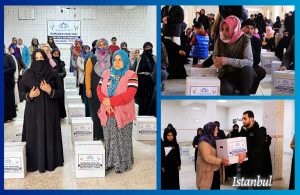

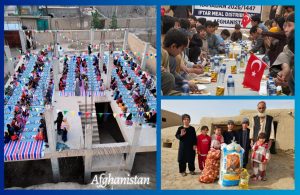


Al-Qulub Trust is a UK-registered charity (Charity Number: 1201517) built on the belief that every human being deserves dignity, care, and a second chance. When a disaster strikes, the trust does not wait for the dust to settle. Its response is guided by three core principles:
What sets Al-Qulub Trust apart from many charities is its commitment to physical presence in crisis zones. Teams do not manage disaster relief from offices abroad. They are on the ground, in the camps, walking tent by tent, ensuring no family is overlooked.
This was demonstrated powerfully during Ramadan 1447, when Al-Qulub Trust delivered Zakat ul Fitr and essential food parcels directly to displaced families in North Gaza. From young children to elderly community members, the team moved through displacement camps hand to hand, parcel by parcel, ensuring the aid was seen, felt, and received by real people.
That is what a genuine Islamic emergency appeal looks like in action.
The crisis in Gaza and the wider Palestinian territories is one of the most severe humanitarian emergencies of our time. Over 2.3 million Gazans have been affected by the ongoing conflict. More than 300,000 residences have been damaged or destroyed. Over 1.2 million people require immediate humanitarian assistance.
Al-Qulub Trust is actively delivering hot meals, food parcels, hygiene kits, medical supplies, and fuel to support hospitals and schools in Gaza. The team is also providing psychological support to children traumatised by the conflict.
During Ramadan 1447, the trust went even further. Alongside food distributions, the team brought Eid gifts, toys, and essential items to children living in tents across Gaza, because restoring a moment of childhood joy is also a form of humanitarian relief.
Support the Palestine Emergency appeal and be part of this life-saving work.
Lebanon was already struggling with economic collapse and political instability when a wave of airstrikes plunged the country into a full humanitarian crisis. Over 1.7 million people have been displaced. More than 2,300 civilians have lost their lives. Around 4,000 homes have been completely destroyed, with 20,000 more significantly damaged.
Families who once had stable lives now find themselves stranded in crisis zones with no access to food, clean water, or medical care. Al-Qulub Trust is on the ground delivering urgent Lebanon relief to those who need it most.
You can donate to the Lebanon Emergency Appeal and help restore hope to families who have lost everything.
Yemen is enduring what many humanitarian organisations describe as the worst ongoing humanitarian crisis in the world. After more than a decade of civil war, over 19.5 million people require humanitarian assistance. Seventeen million face acute food insecurity. One in two children under the age of five is malnourished.
In 2024 alone, seasonal flash floods destroyed over 34,000 homes, pushing already displaced families into even more desperate conditions. Empty food shelves, bombed-out health centres, and widespread displacement define daily life for millions of Yemenis.
Al-Qulub Trust’s Yemen Emergency Appeal channels your donation toward food, shelter, healthcare, and protection for families on the edge of survival.
When you give through Al-Qulub Trust, your donation is immediately allocated to the relevant emergency fund. Under the 100% Donation Policy, none of it is absorbed by administrative costs. It moves directly toward aid operations.
Ground teams already operating in crisis zones are directed to expand their reach. Supplies are procured locally where possible to reduce delays and support local economies. Distributions are planned based on the most vulnerable and least-reached communities.
This is where the difference is made. Families in tents, elderly people in shelters, and children who have not eaten a proper meal in days. Aid reaches them not through a long chain of intermediaries, but through the hands of Al-Qulub Trust team members who are physically present.
Al-Qulub Trust documents its field operations with photos, videos, and reports, so donors can see exactly where their money went. The Gaza Ramadan 1447 distribution is one powerful example of this transparency in action.
Yes. If the recipients of an emergency appeal qualify under the eight Zakat categories defined in the Quran (Surah At-Tawbah, 9:60), which include the poor, the destitute, and those overwhelmed by hardship, then Zakat is a fully valid and deeply rewarding way to respond to an emergency appeal.
Displaced families in Gaza, Lebanon, and Yemen overwhelmingly qualify. Giving your Zakat through an emergency appeal means fulfilling your religious obligation while providing immediate, life-saving relief.
Use the Zakat Calculator on the Al-Qulub Trust website to find out exactly how much you owe and direct it where it is needed most.
How quickly does Al-Qulub Trust respond to a new crisis?
Al-Qulub Trust aims to mobilise on-ground response as quickly as possible when a new emergency emerges. Existing field presence in active crisis regions means the trust can begin expanding operations rapidly when need escalates.
Is my donation safe and transparent?
Yes. Al-Qulub Trust is a registered UK charity operating under a 100% Donation Policy. Every donation goes directly to the cause, with field documentation shared with donors.
Can I give Sadaqah instead of Zakat to an emergency appeal?
Absolutely. Both Zakat and voluntary Sadaqah are welcome and impactful. If you are unsure which applies to you, the Zakat Calculator can help you understand your specific obligation.
What types of aid do emergency appeals fund?
Al-Qulub Trust emergency operations typically cover hot meals, food parcels, hygiene kits, medical supplies, fuel for hospitals, psychological support for children, and emergency shelter assistance.
Can I set up a recurring donation to an emergency appeal?
Yes. Al-Qulub Trust accepts both one-time and monthly donations through all its active appeals. A regular monthly gift ensures that on-ground teams have consistent funding to respond as crises evolve.

© Copyright Al-Qulub Trust 2026. | Registered Charity Number: 1201517